
Our Expertise
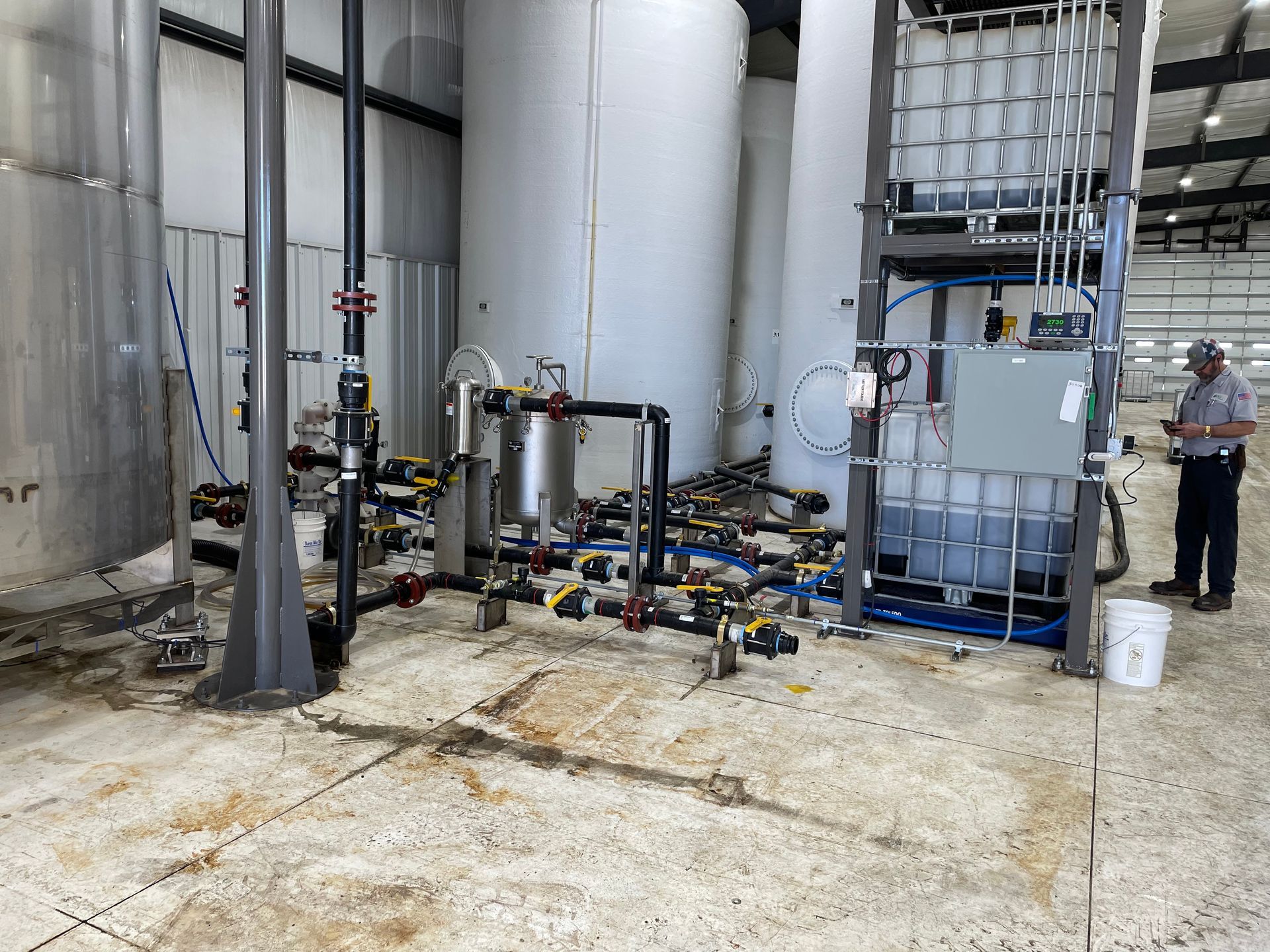
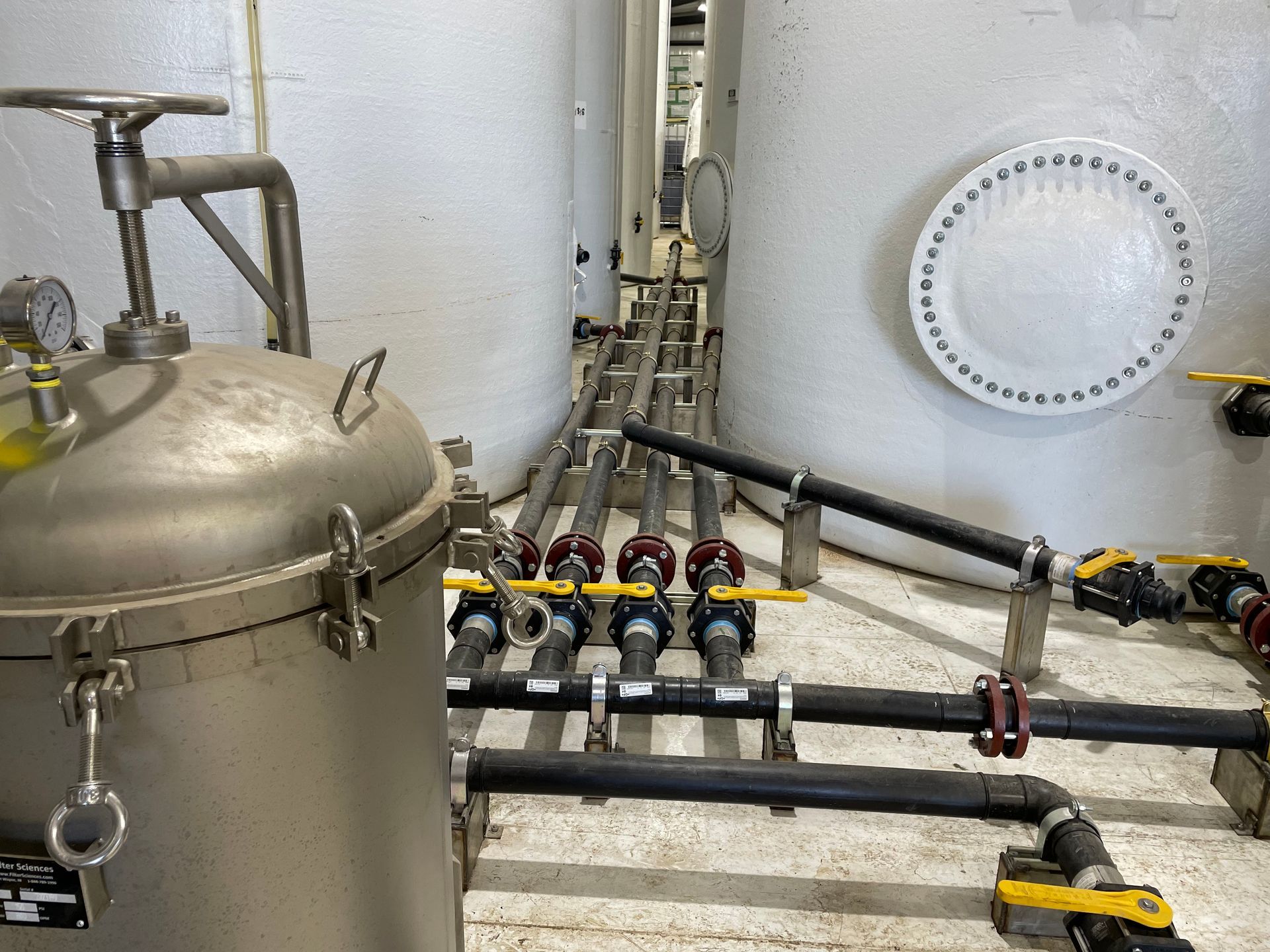
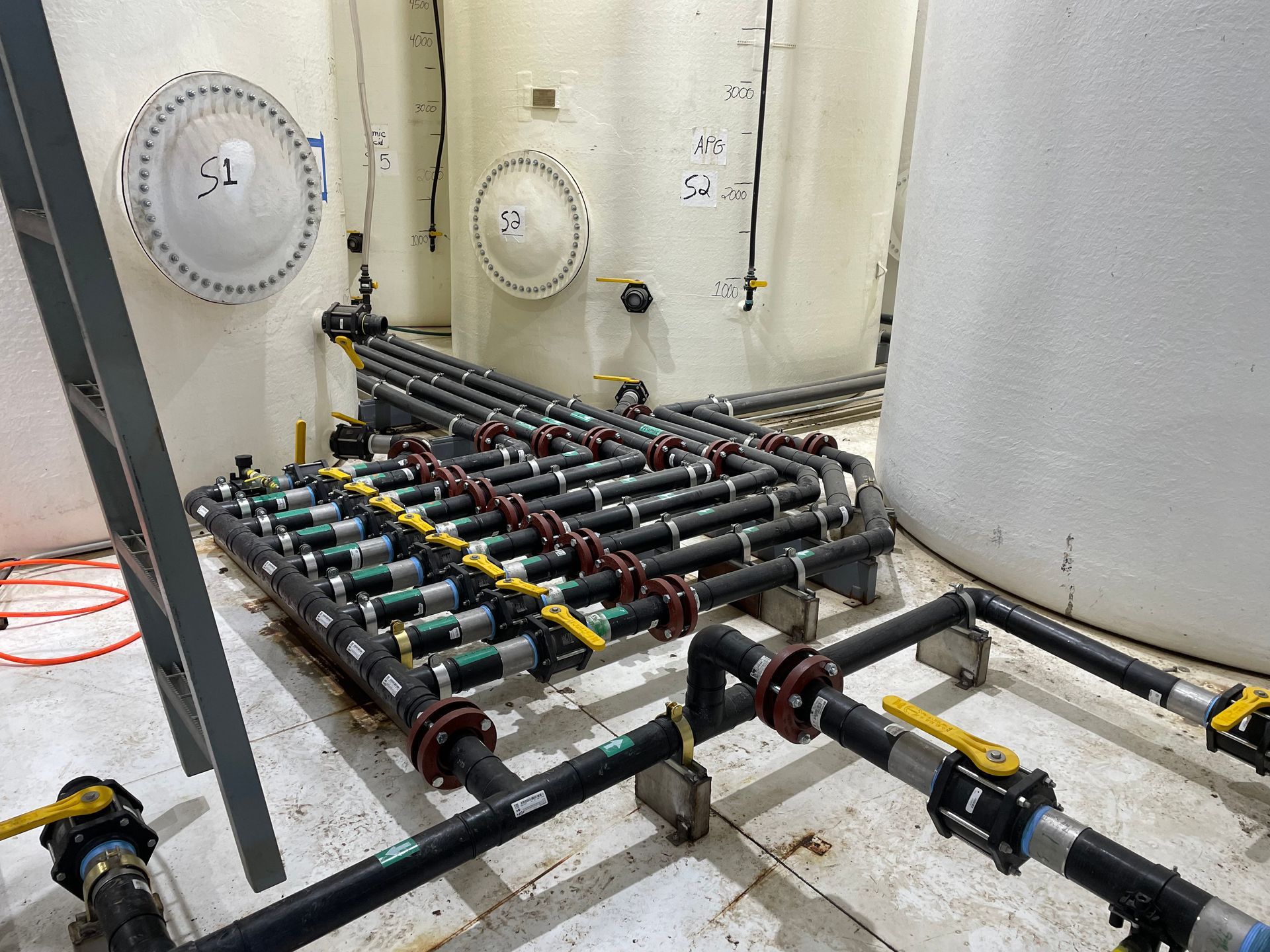
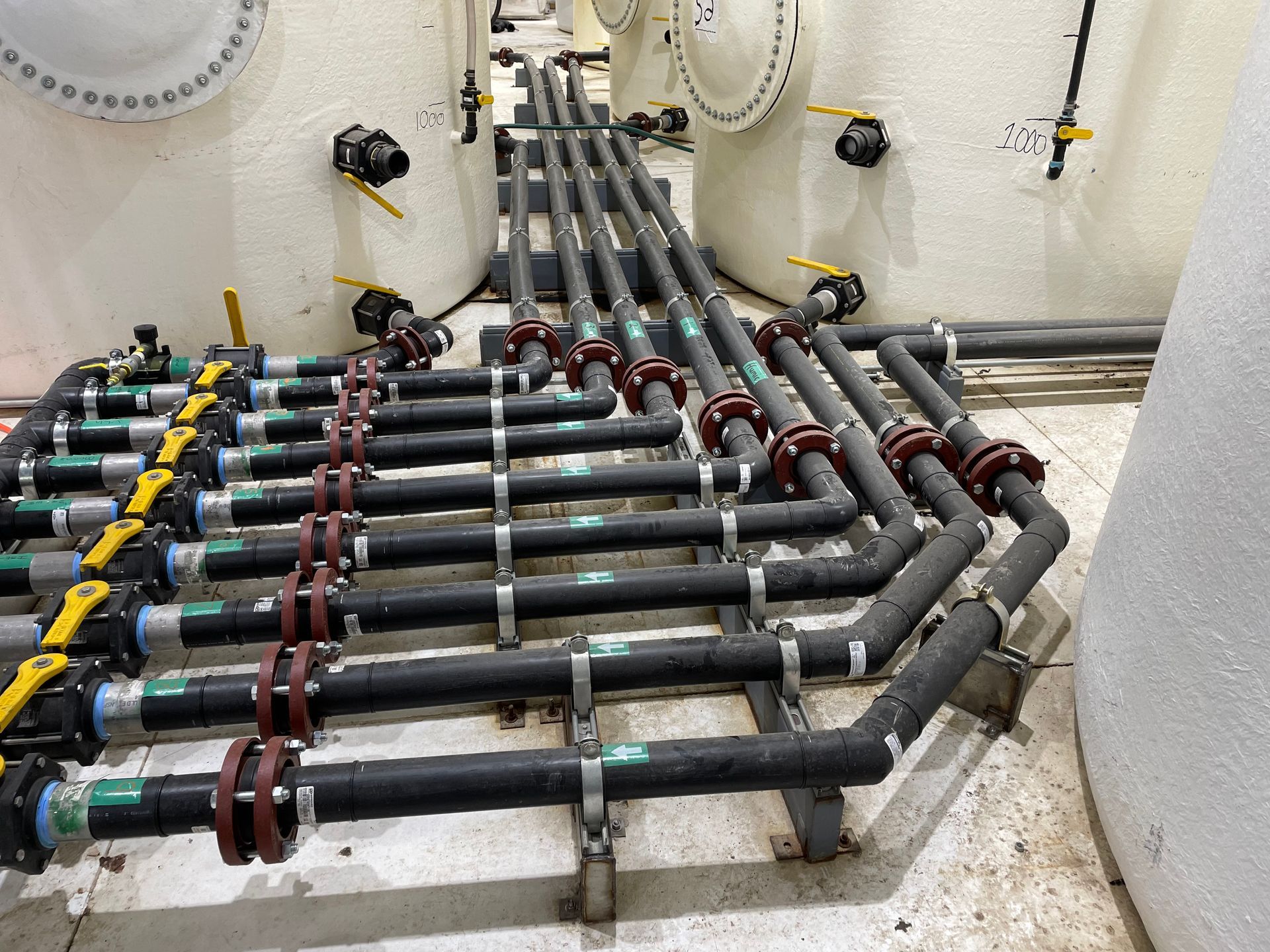
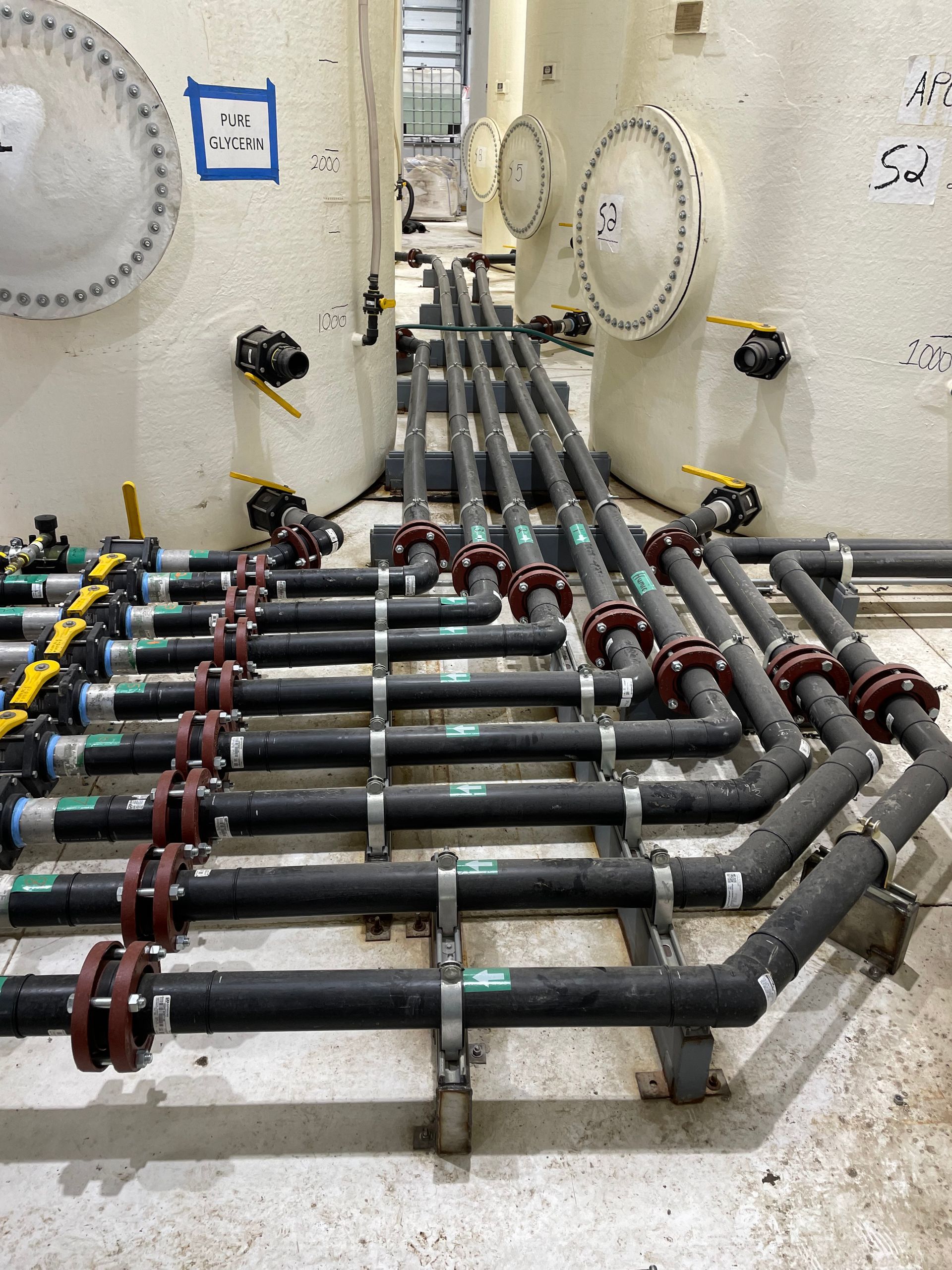
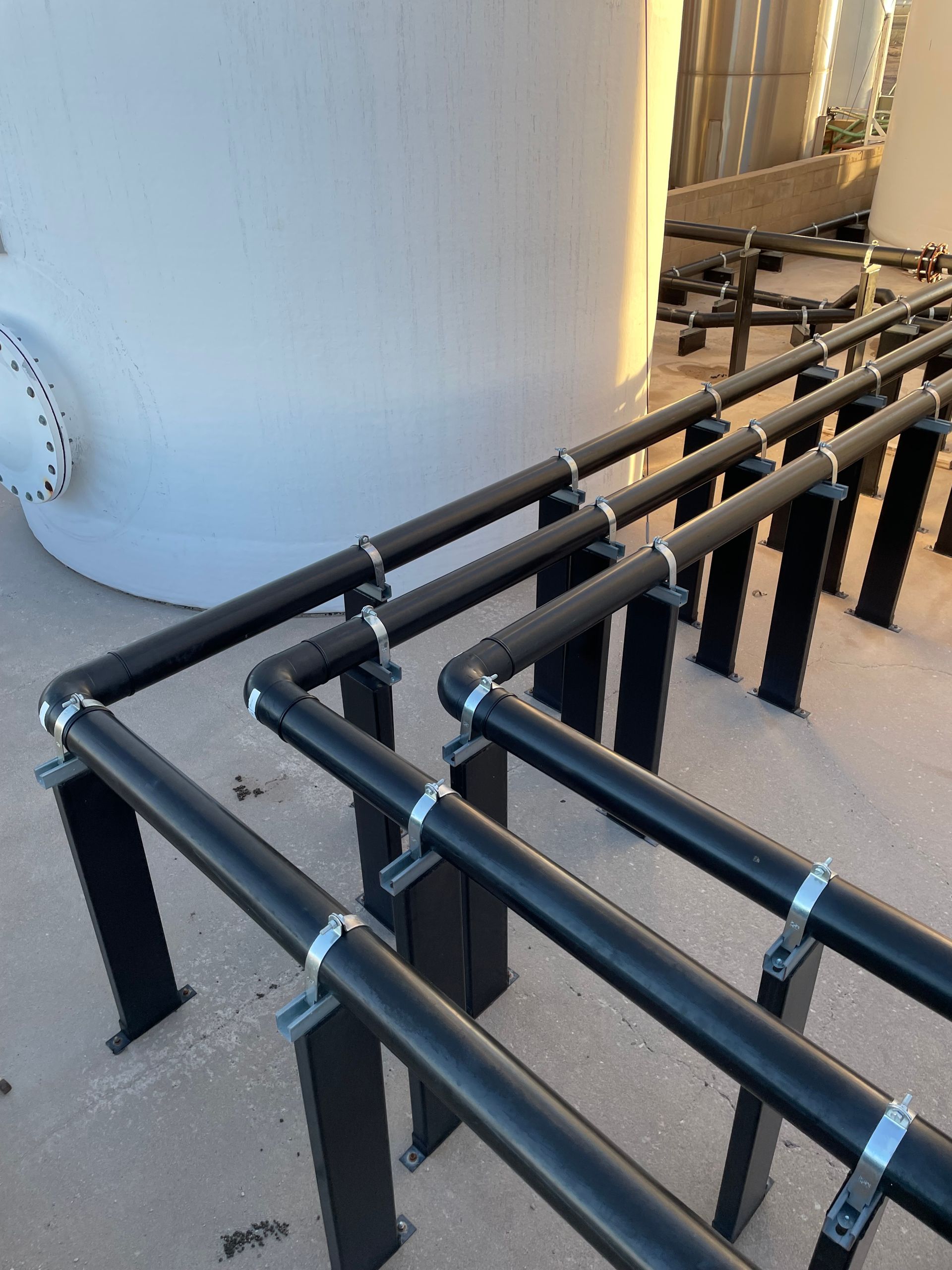
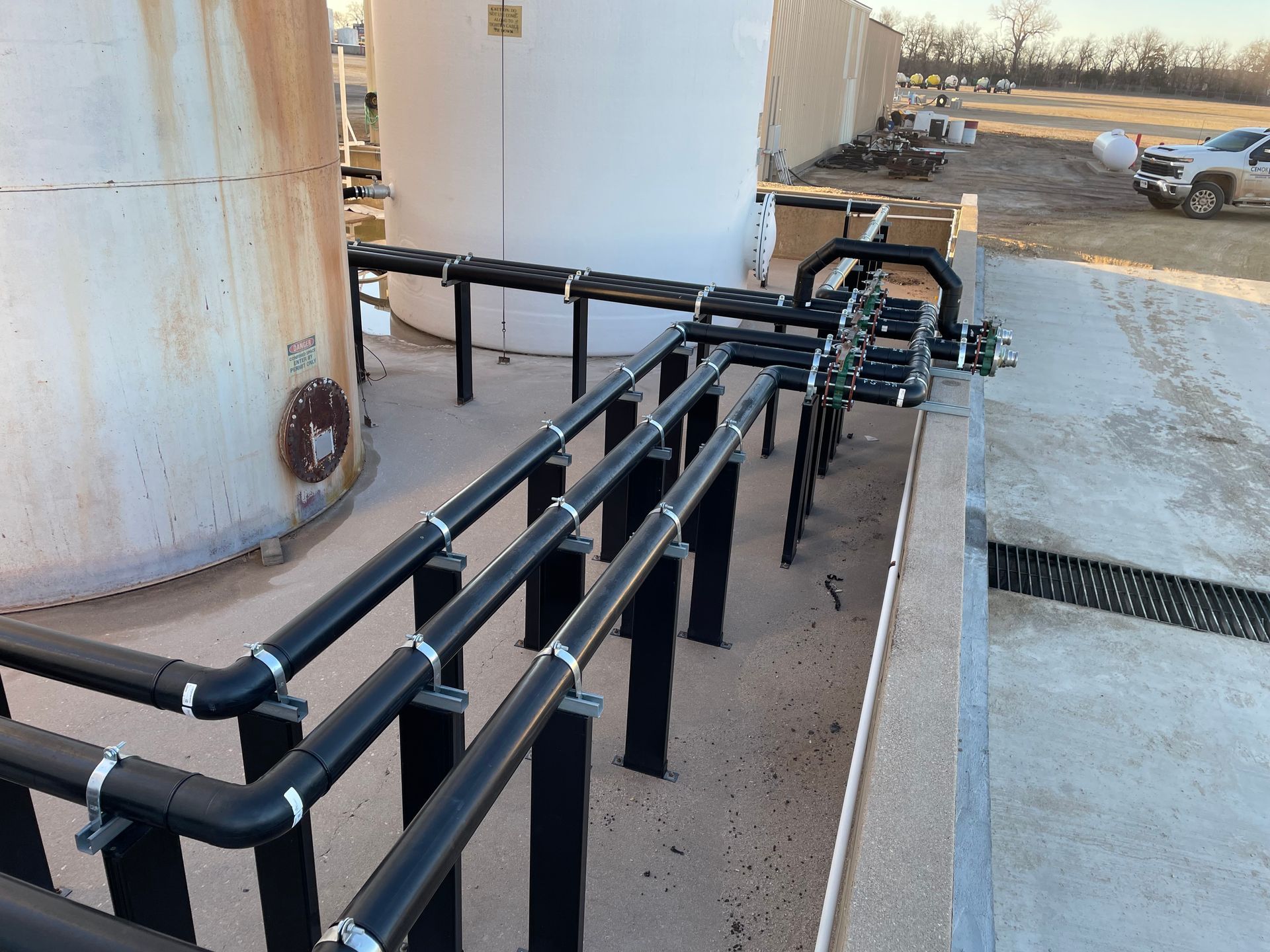
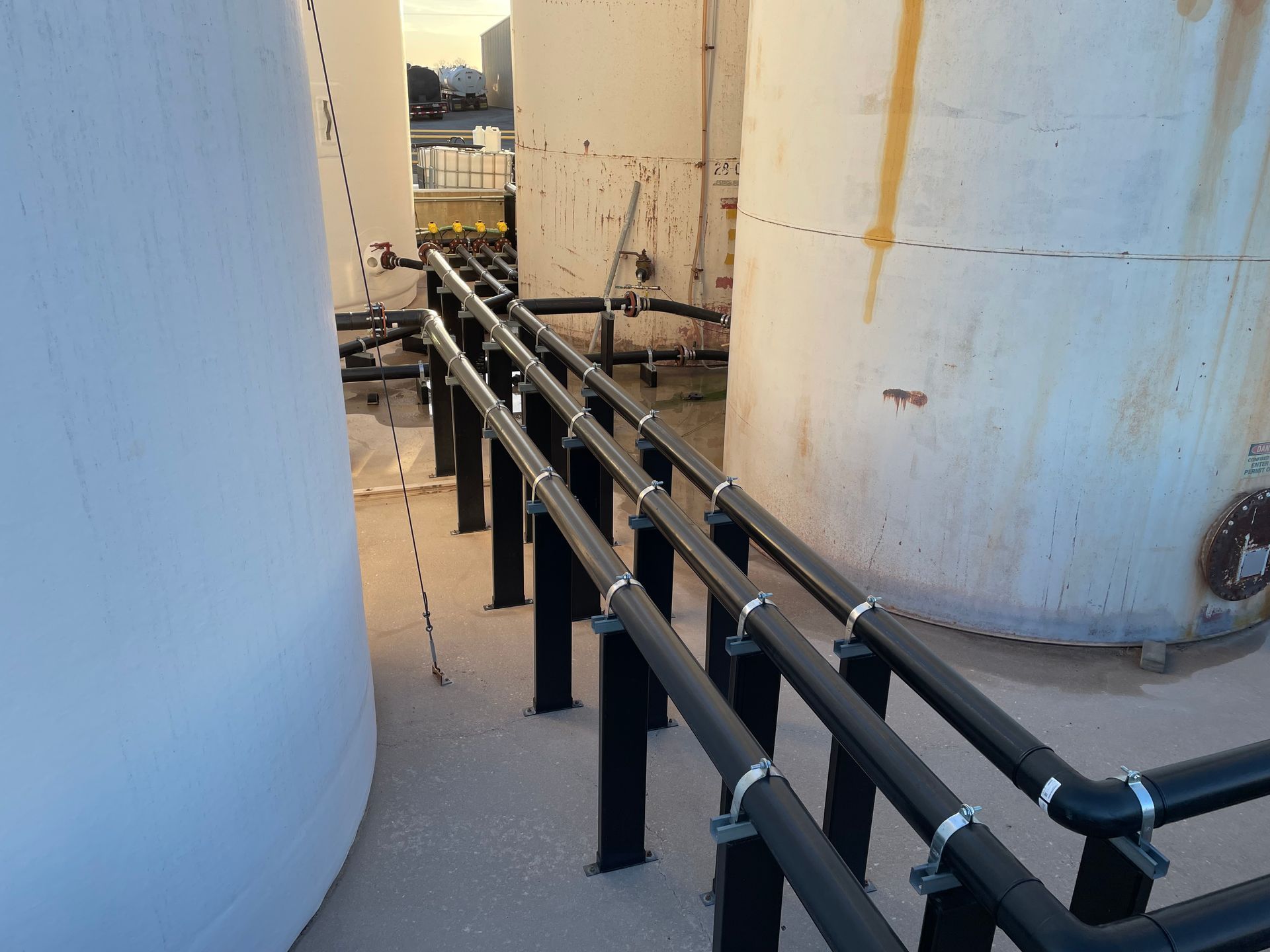
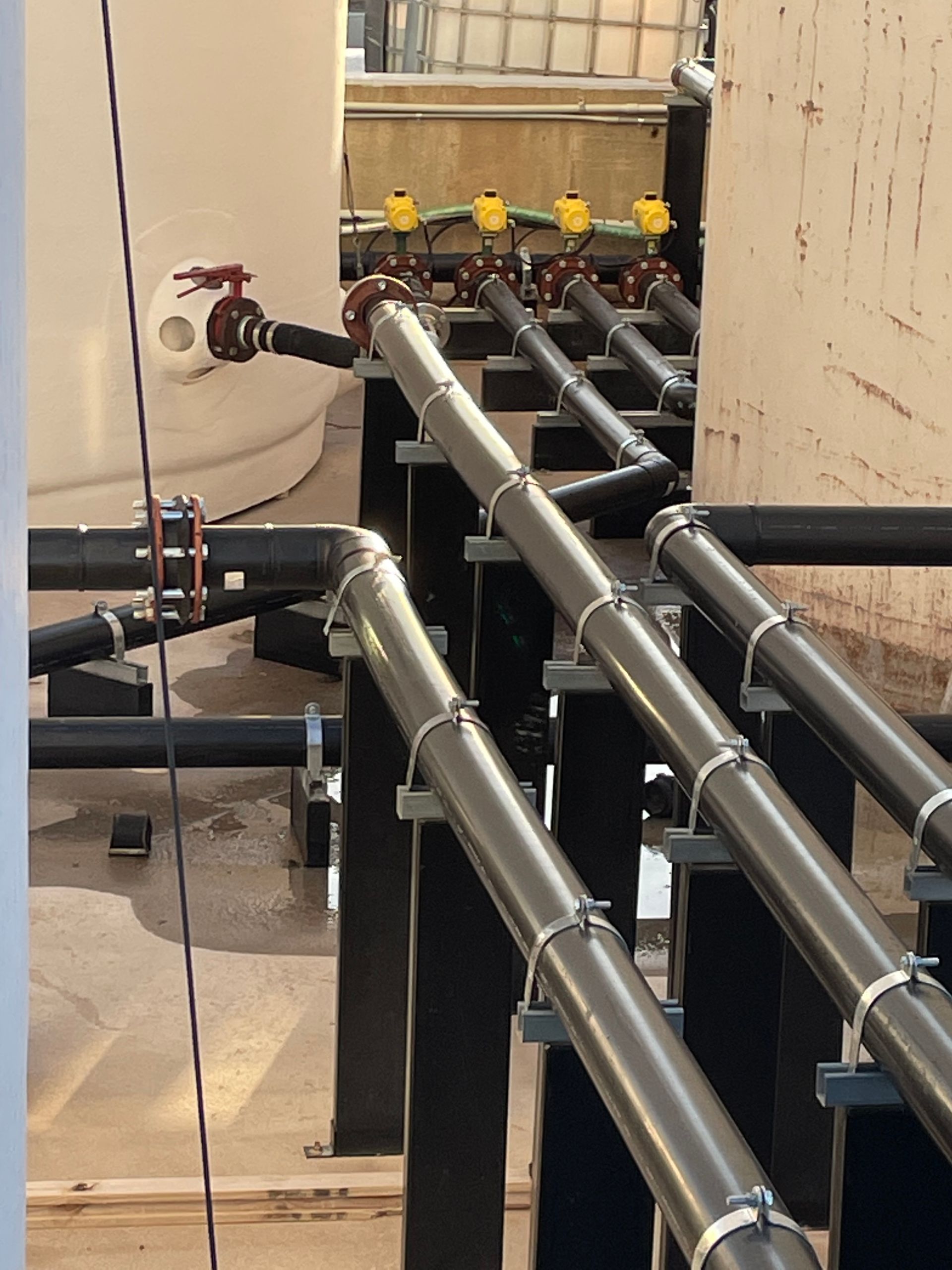
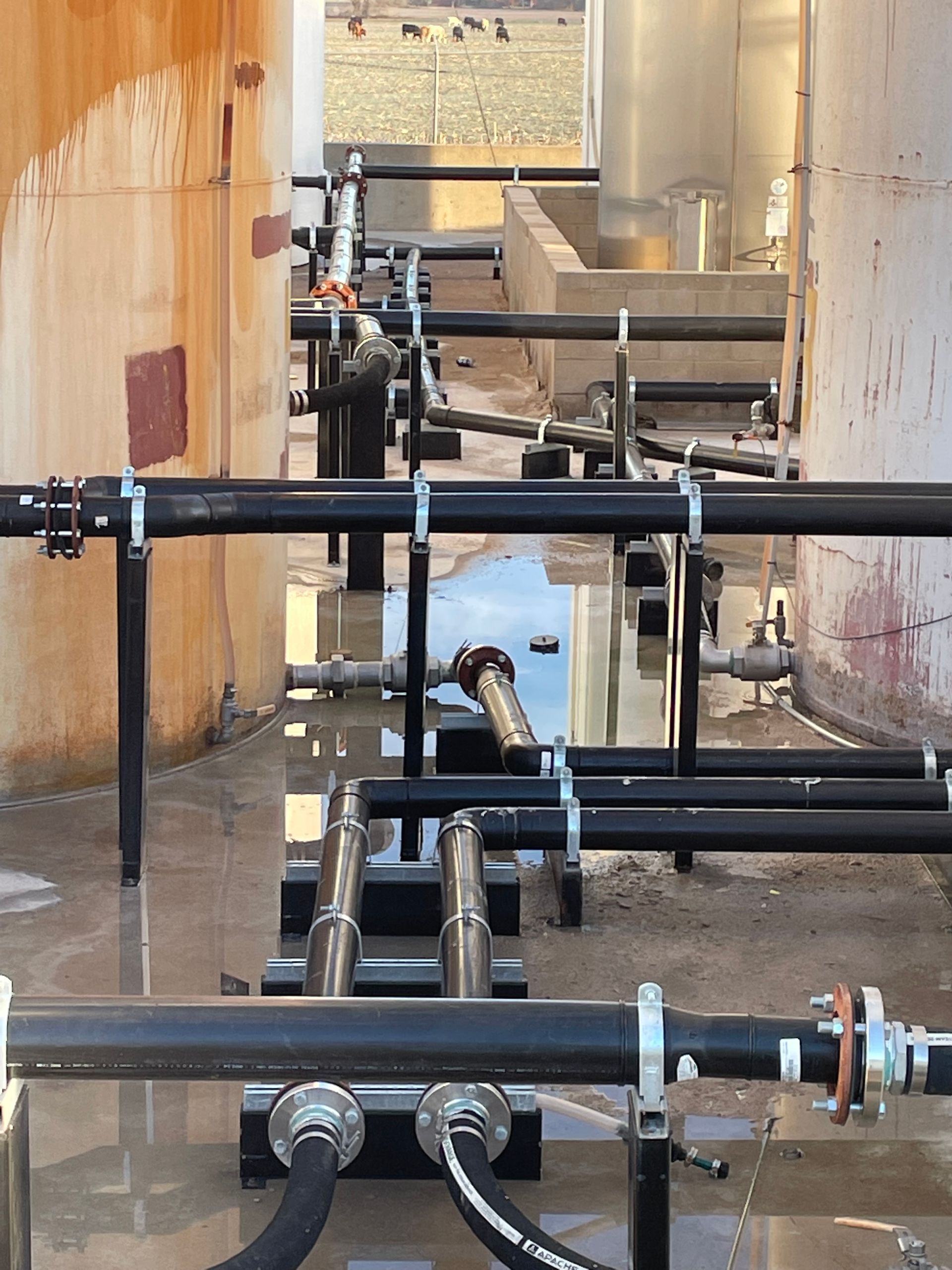
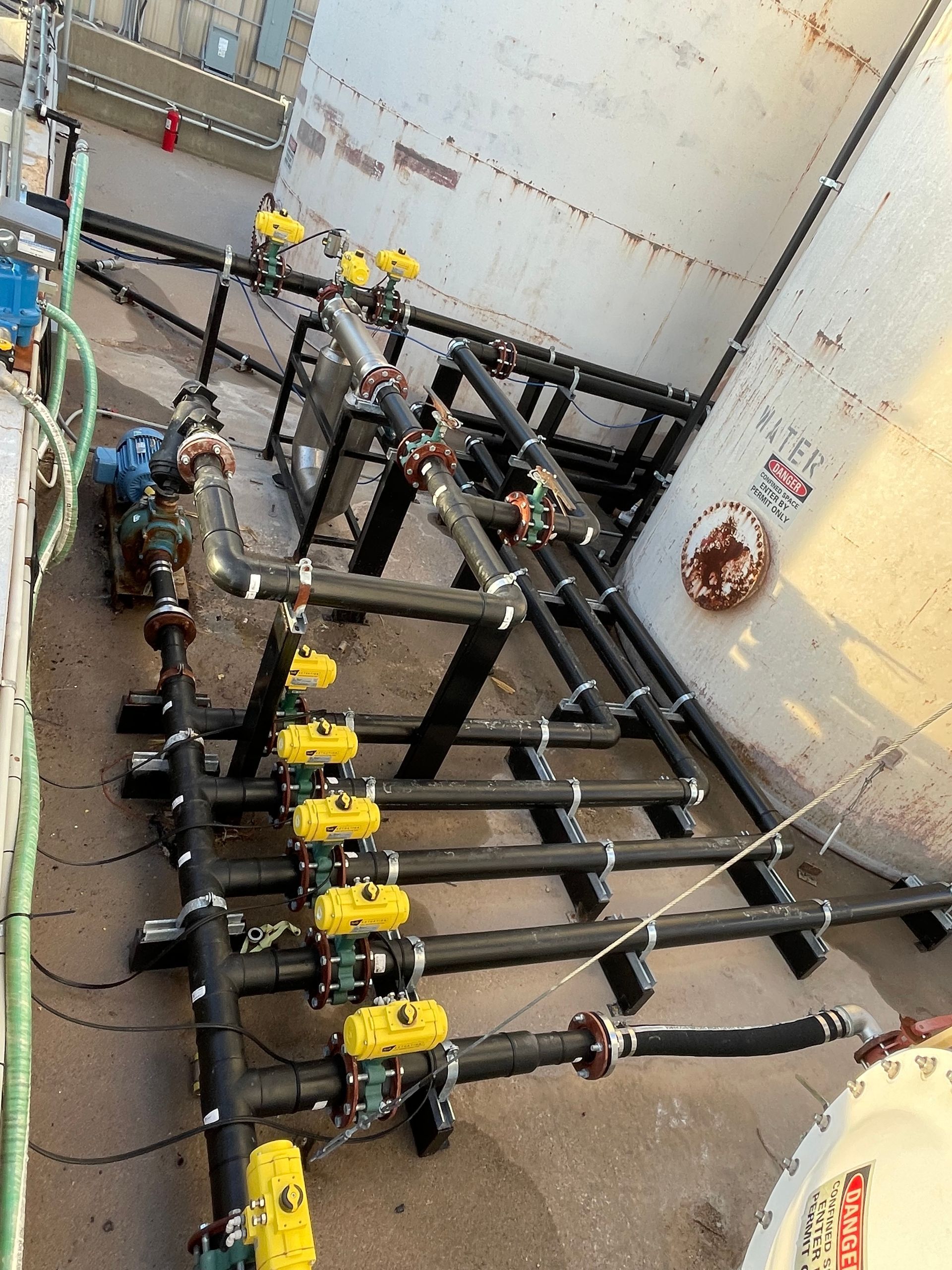
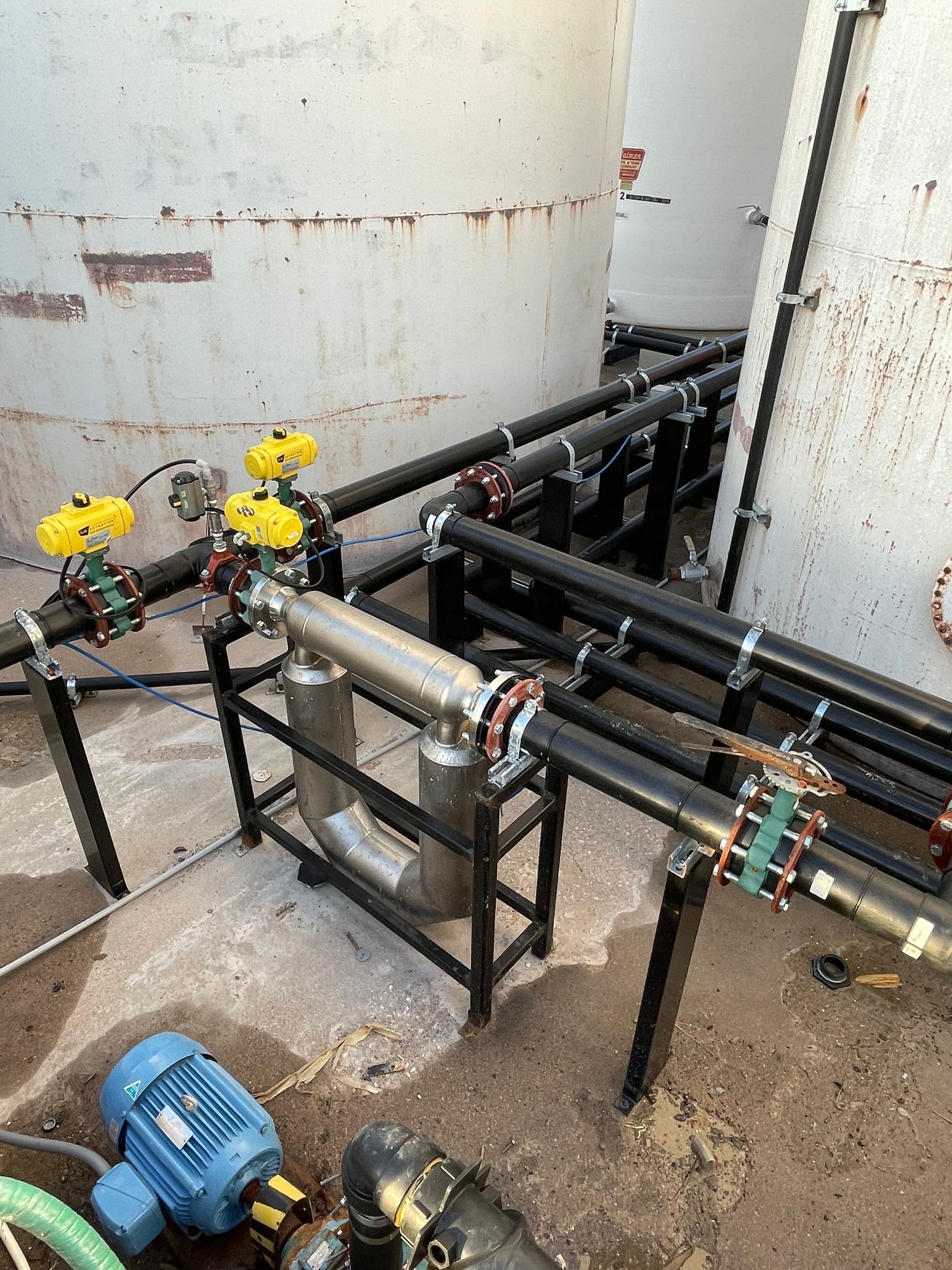
Polyfusion Pipe Installation
Reliable flow with leak-free performance.
Polyfusion Pipe Installation
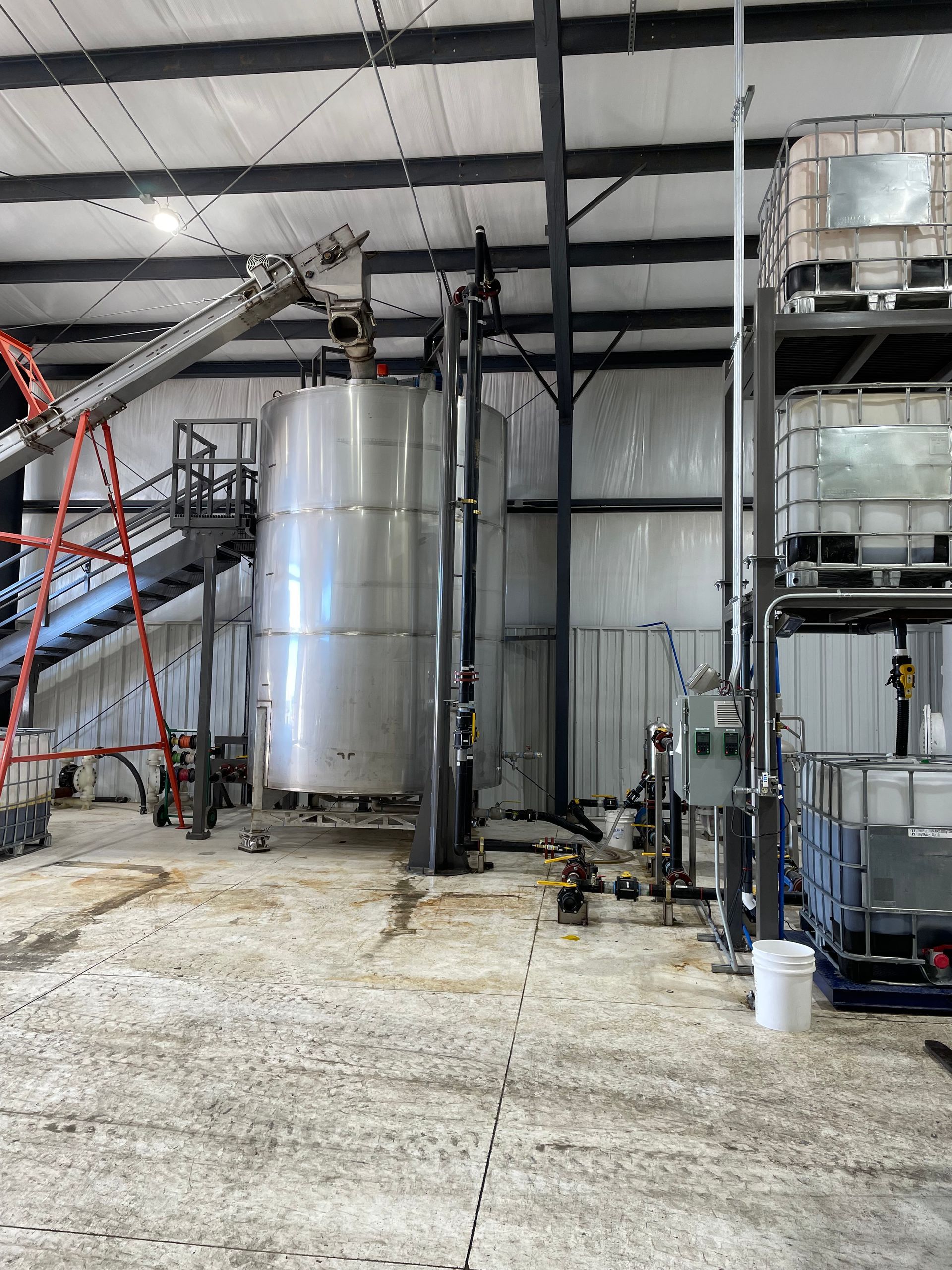
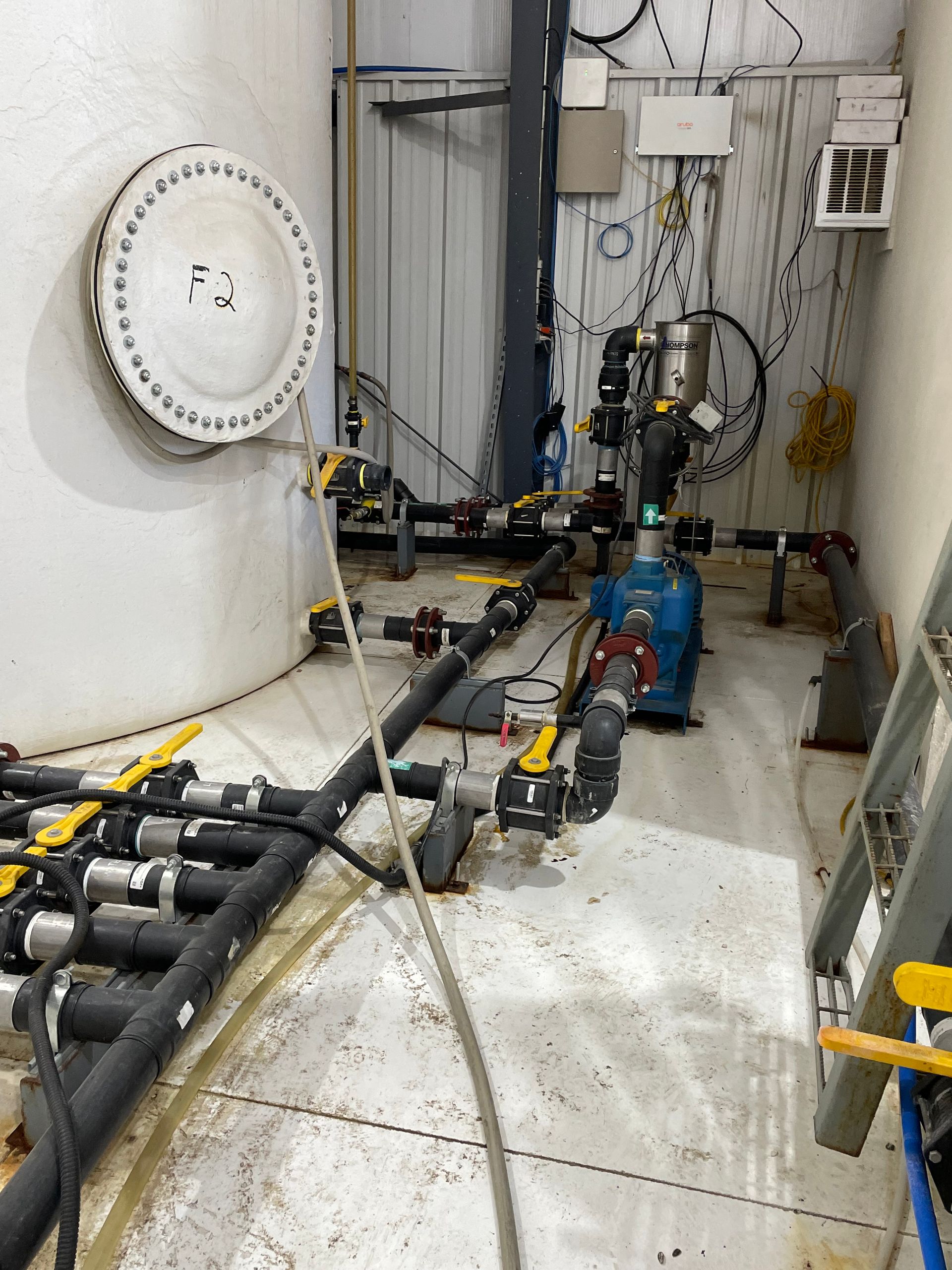
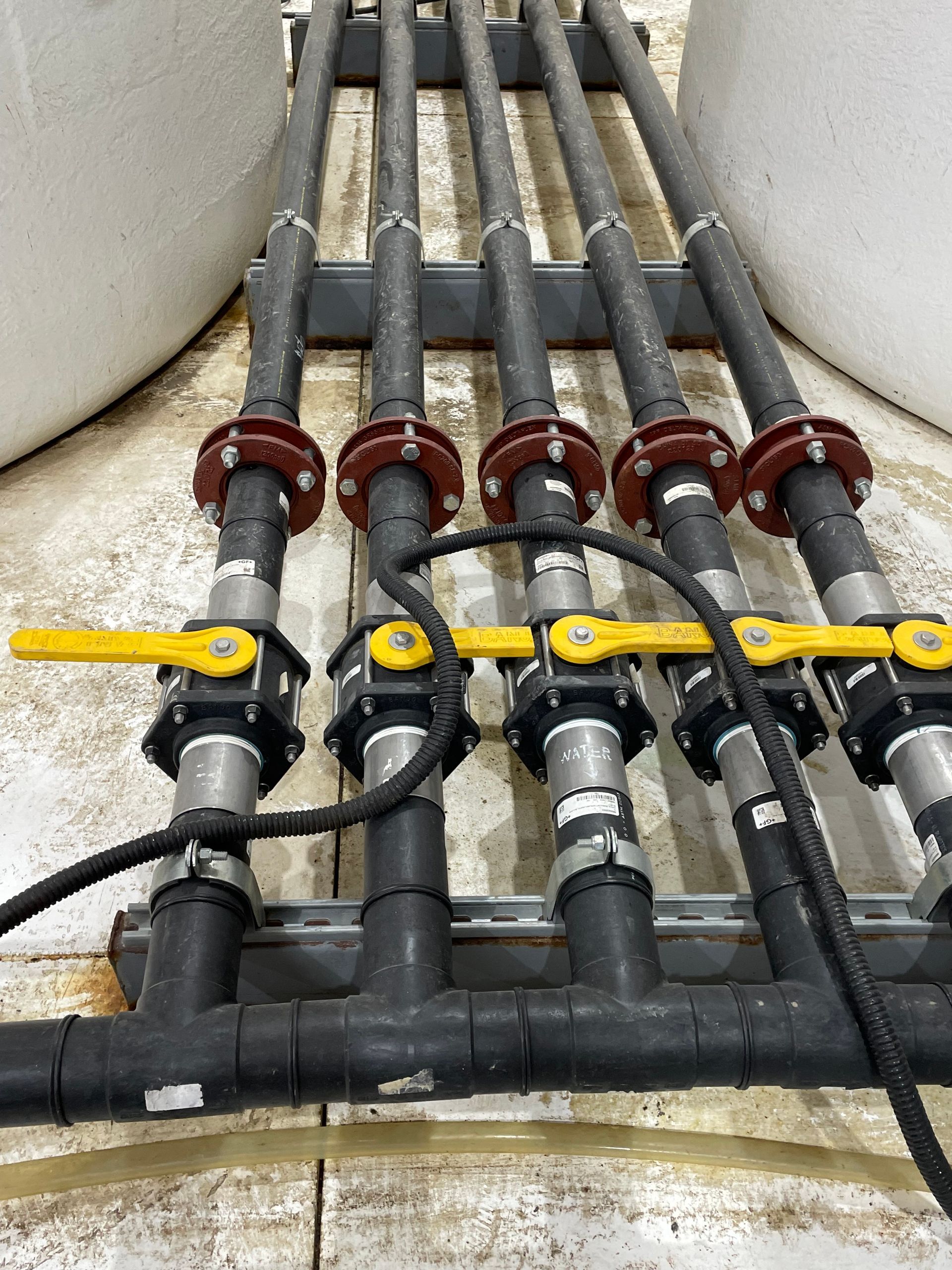
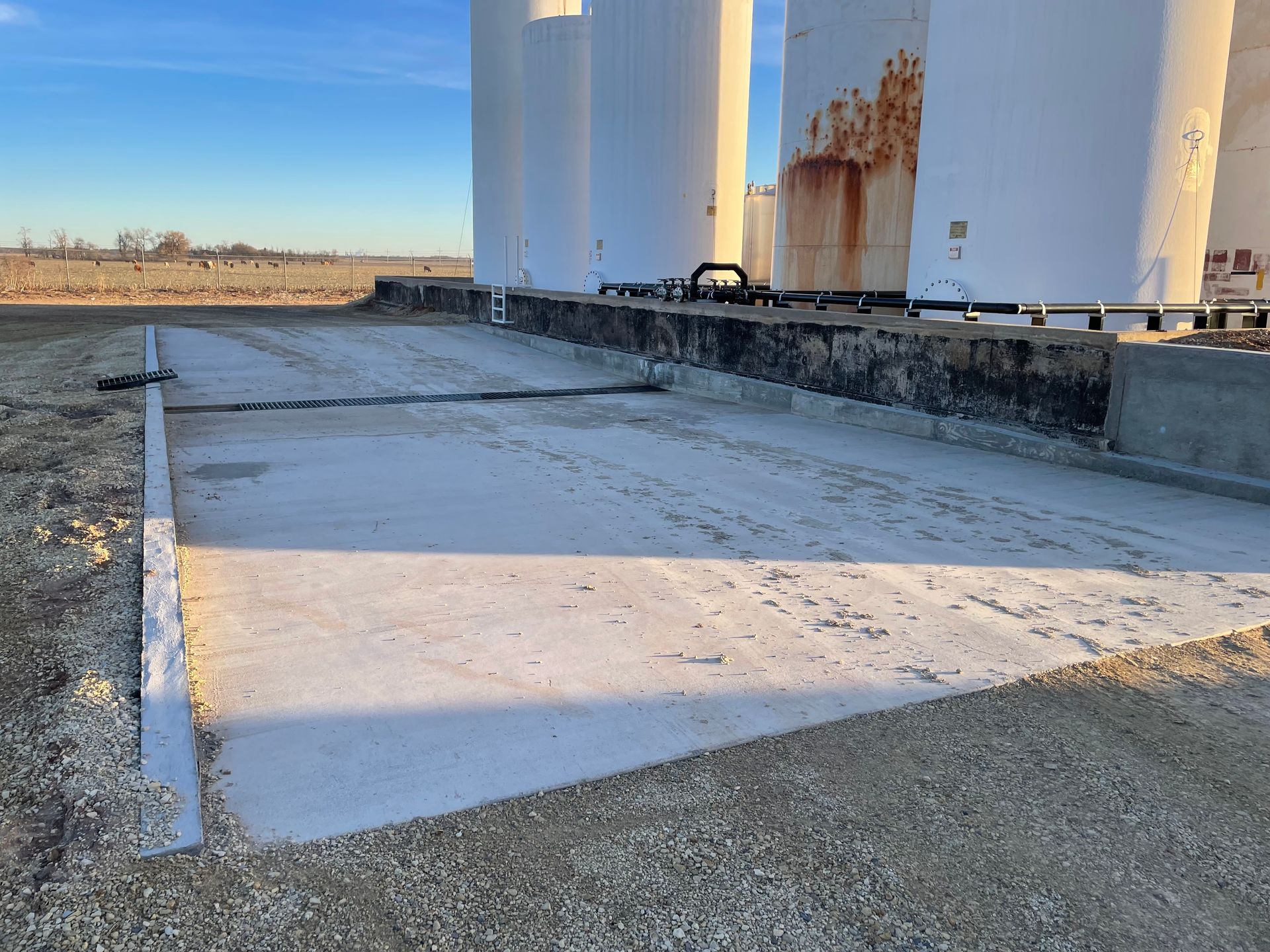
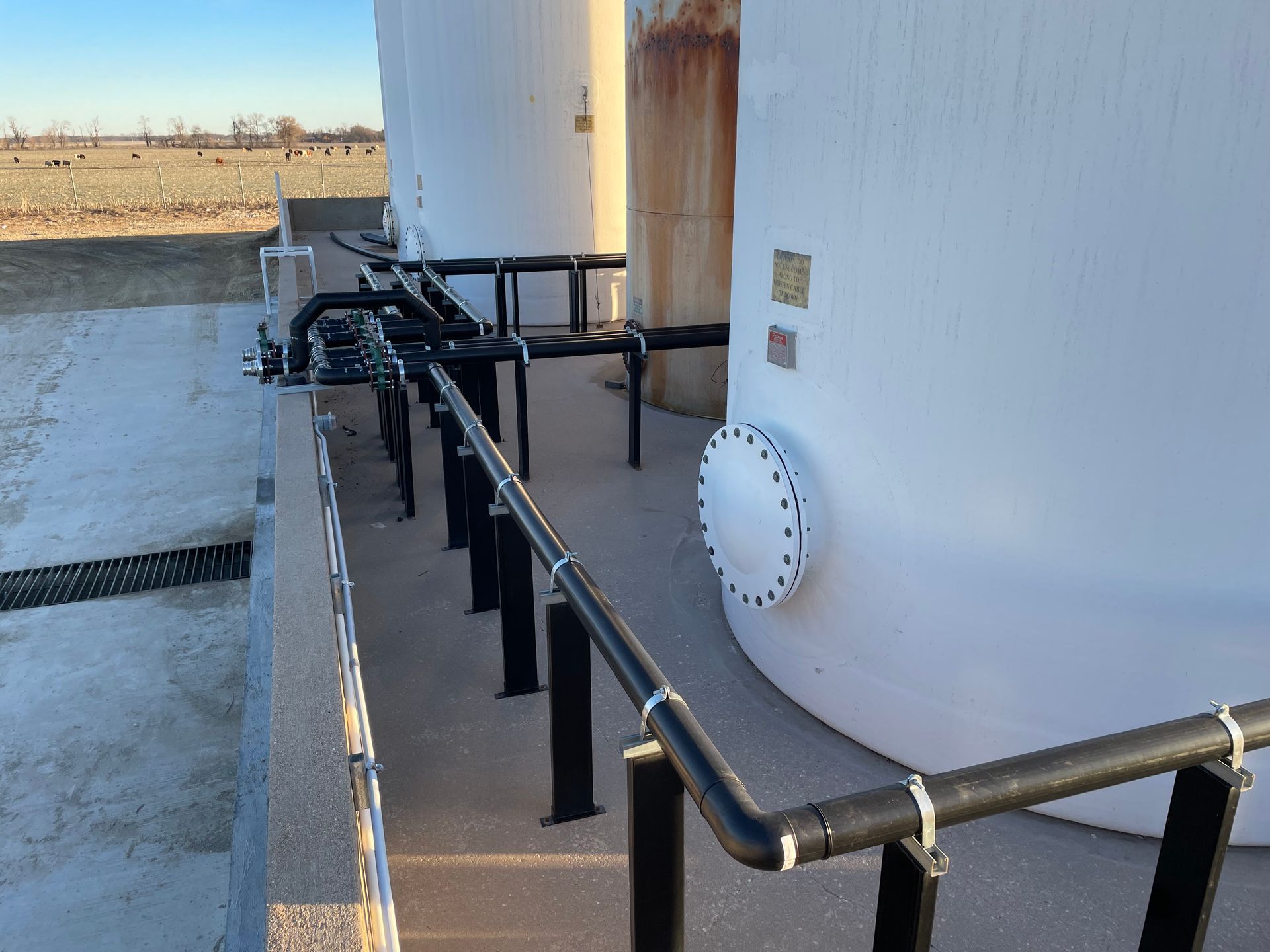
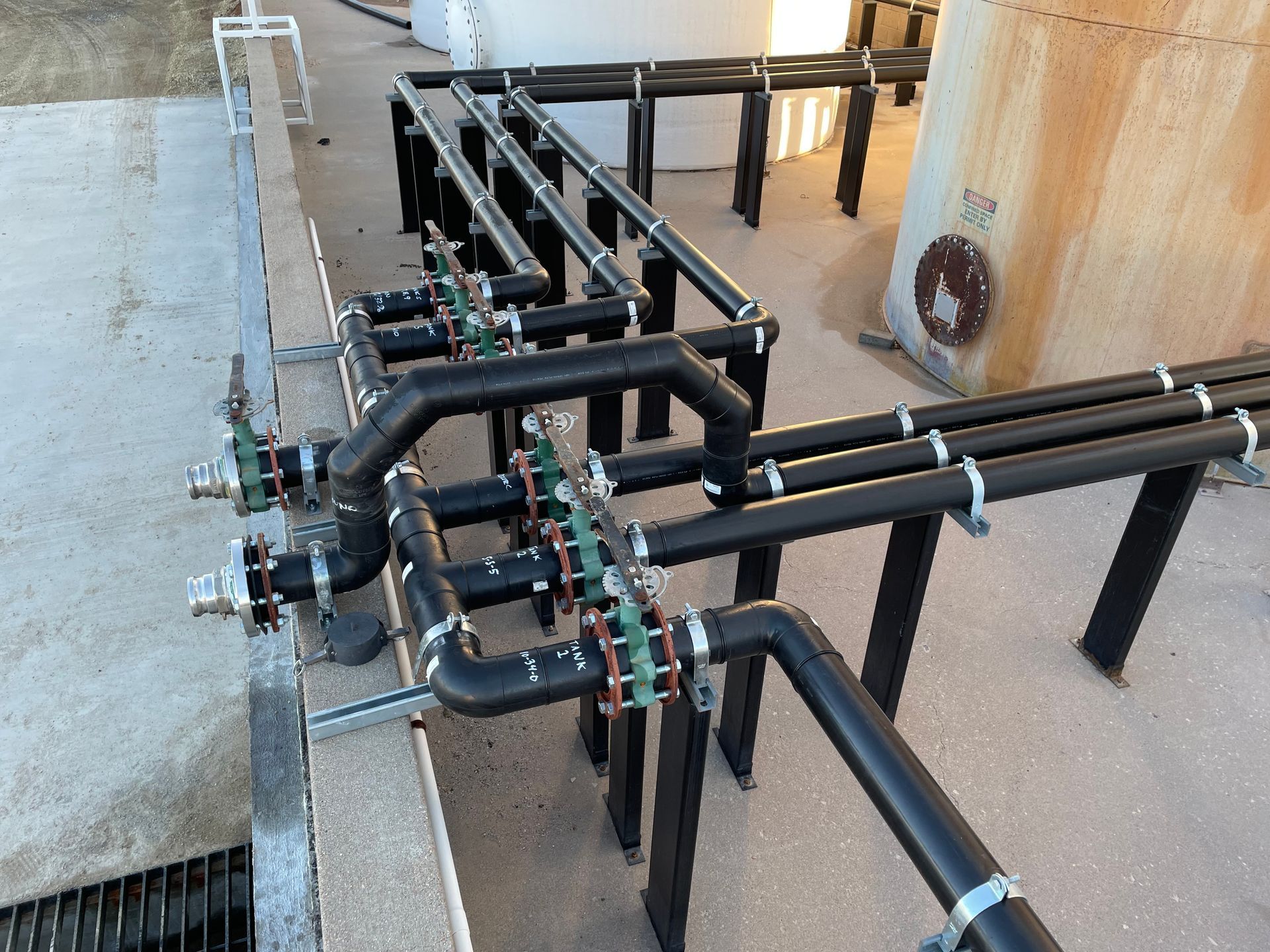
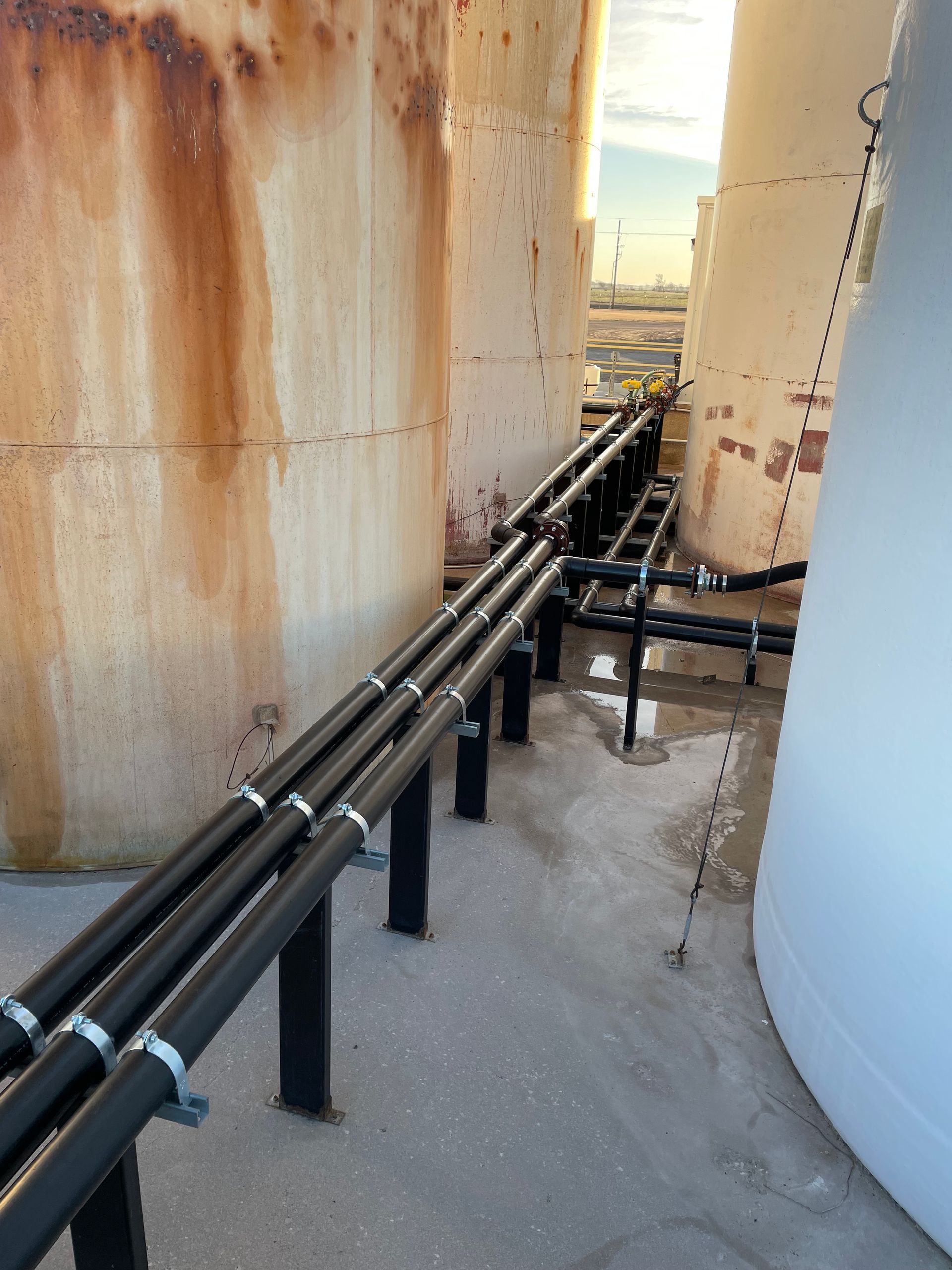
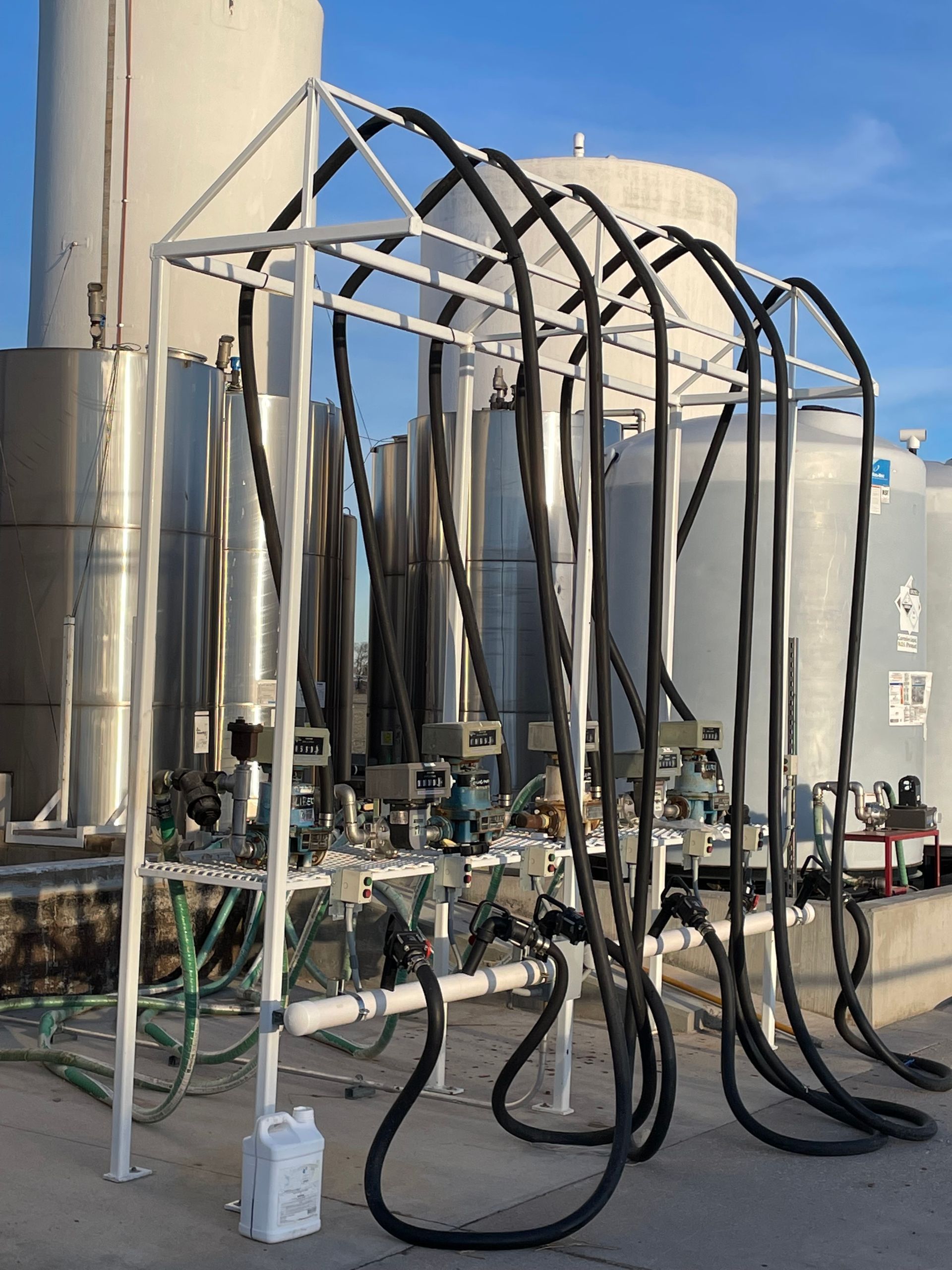
Professional polyfusion pipe systems for agricultural material handling, blending operations, and fluid transfer applications with long-lasting, leak-free joints.

Material handling pipelines
Blending operation systems
Fluid transfer applications
Leak-free polyfusion joints
FAQ's
What is polyethylene pipe, and why is it used in agricultural construction?
High-Density Polyethylene pipe (HDPE) is a natural gas-derived thermoplastic known for its impressive tensile strength, corrosion resistance, and impact resistance. These traits make it the ideal material choice for piping in a wide range of applications including pressure and non-pressure pipe, conduit, and drainage.
What are the benefits of using polyethylene pipe in agricultural buildings?
Polyethylene pipe offers several benefits, including:
- Resistance to corrosion, rust, and chemical degradation.
- Flexibility, allowing for easier installation around obstacles and in various terrain types.
- Longevity and durability, reducing maintenance requirements and costs.
- Cost-effectiveness compared to traditional metal pipes.
- Compatibility with various fittings and connectors for versatile applications.
- UV resistant can withstand years of direct sunlight without degradation.
How do I determine the right size and type of polyethylene pipe for my agricultural building project?
The size and type of polyethylene pipe needed depend on factors such as the intended application, flow rates, and pressure requirements Consulting with experts or engineers can help determine the appropriate specifications for your project.
What are factors to consider when using polyethylene pipe in agricultural buildings?
Important factors to consider include:
- Proper alignment and grading to ensure efficient fluid flow.
- Adequate support and anchoring to prevent sagging or shifting.
- Protection from mechanical damage, such as from machinery or livestock.
- Proper jointing and sealing techniques to prevent leaks.
- Compliance with local regulations and standards for agricultural construction.
Can polyethylene pipe be used for both above-ground and underground applications?
Yes, polyethylene pipe is suitable for both above-ground and underground installations. Proper installation techniques, including burial depth, and backfill material should be followed for underground applications to ensure longevity and performance.
How do I join polyethylene pipes together?
Polyethylene pipes can be joined using various methods, including heat fusion, mechanical couplings, and compression fittings. The appropriate joining method depends on factors such as pipe size, application, and operating conditions. Following manufacturer recommendations and industry best practices is essential for reliable joints.
Are there any special considerations for installing polyethylene pipe in cold climates?
In cold climates, precautions should be taken to prevent freezing and damage to polyethylene pipes. This may include burying pipes below the frost line, insulating above-ground sections, and using freeze-resistant fittings and valves.
What maintenance is required for polyethylene pipe in agricultural buildings?
Polyethylene pipe generally requires minimal maintenance. Periodic inspections for damage, leaks, or blockages are recommended, along with ensuring proper operation of valves, fittings, and other components. Any issues should be addressed promptly to prevent costly repairs or interruptions to operations.
Where can I find additional resources or assistance for installing polyethylene pipe in my agricultural building project?
405-298-0072You can give us a call!
Need a Custom Solution?
Every ag operation is unique. Let's talk about what you need built.