
Our Expertise
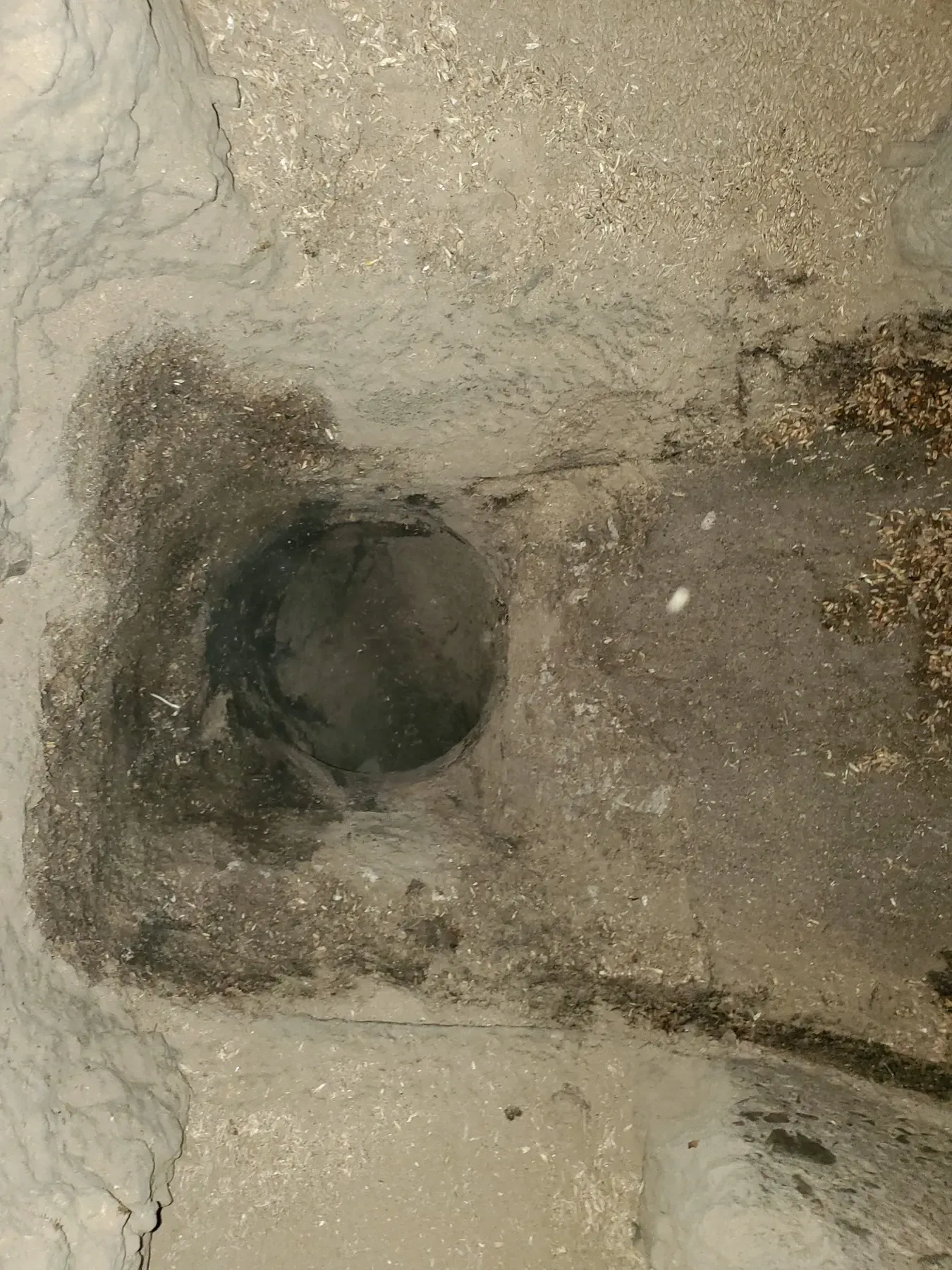
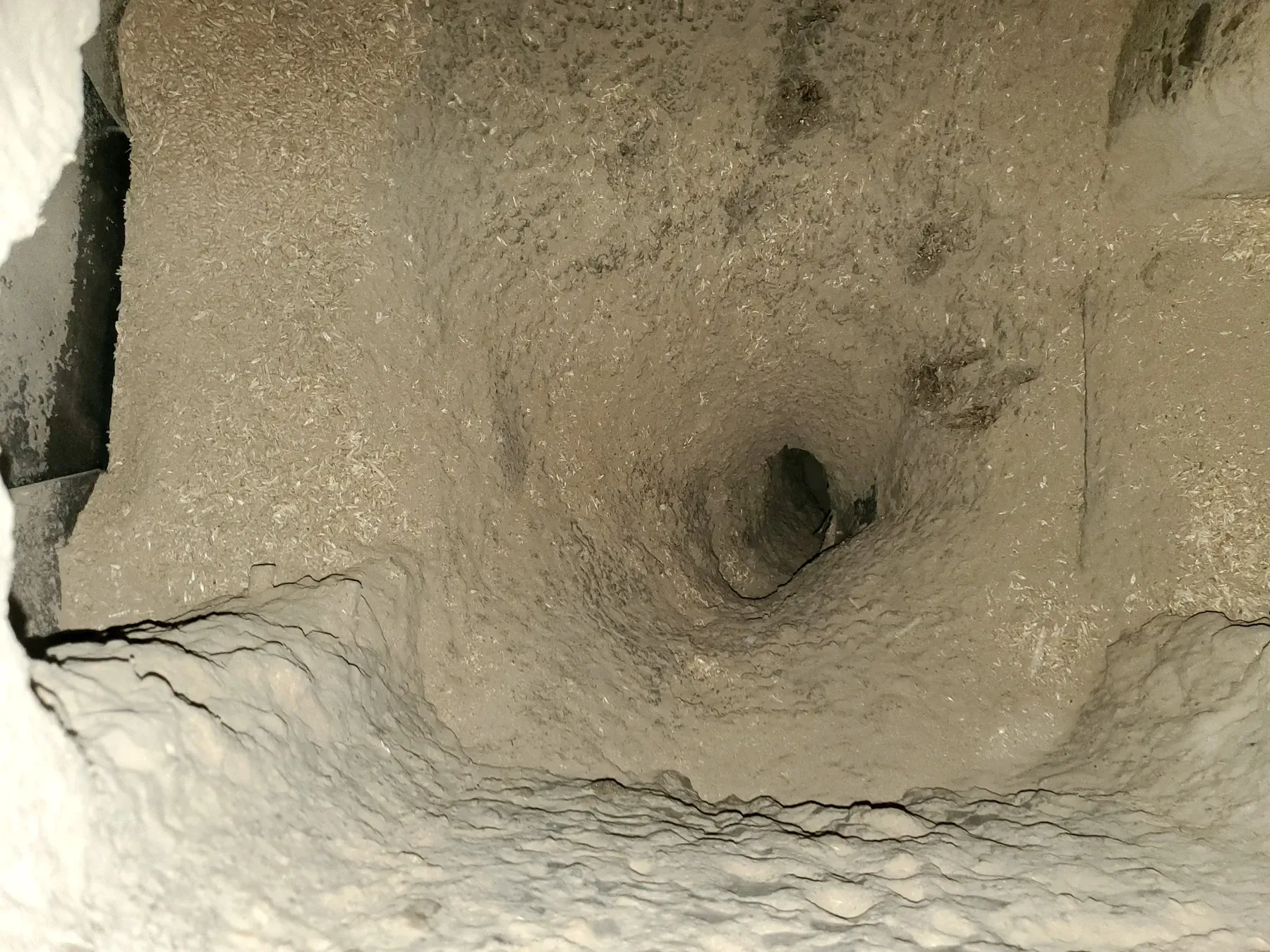
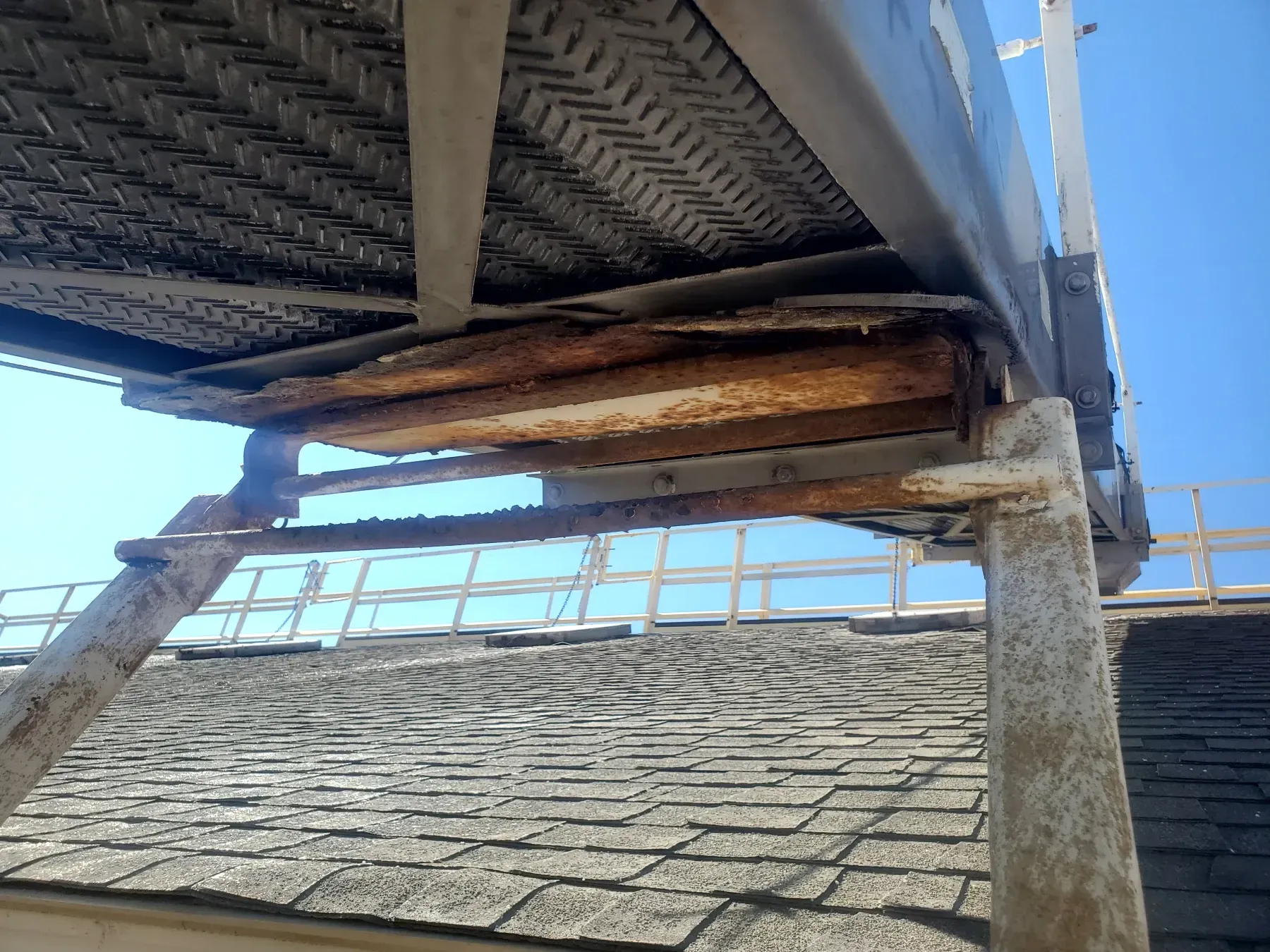
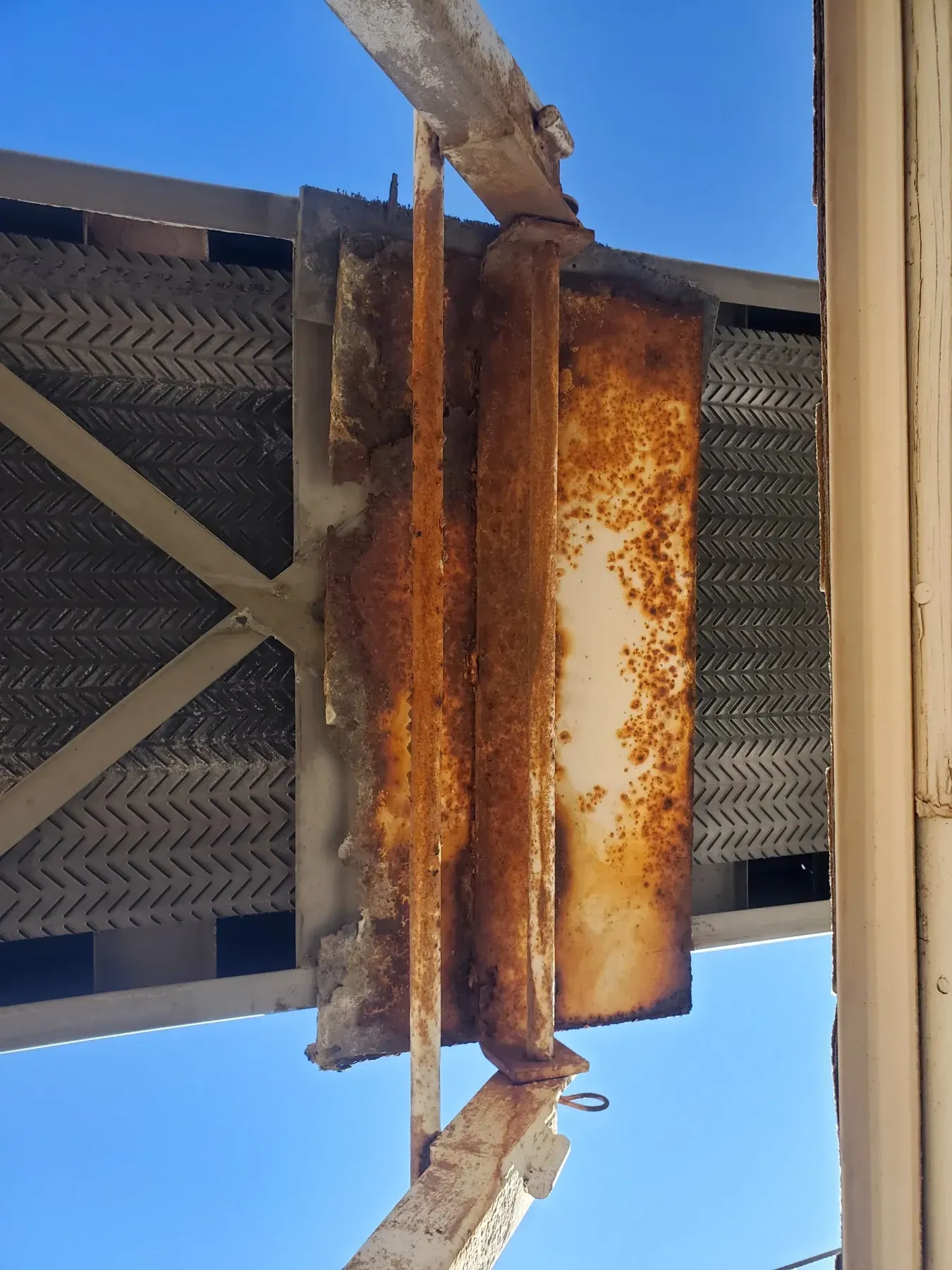
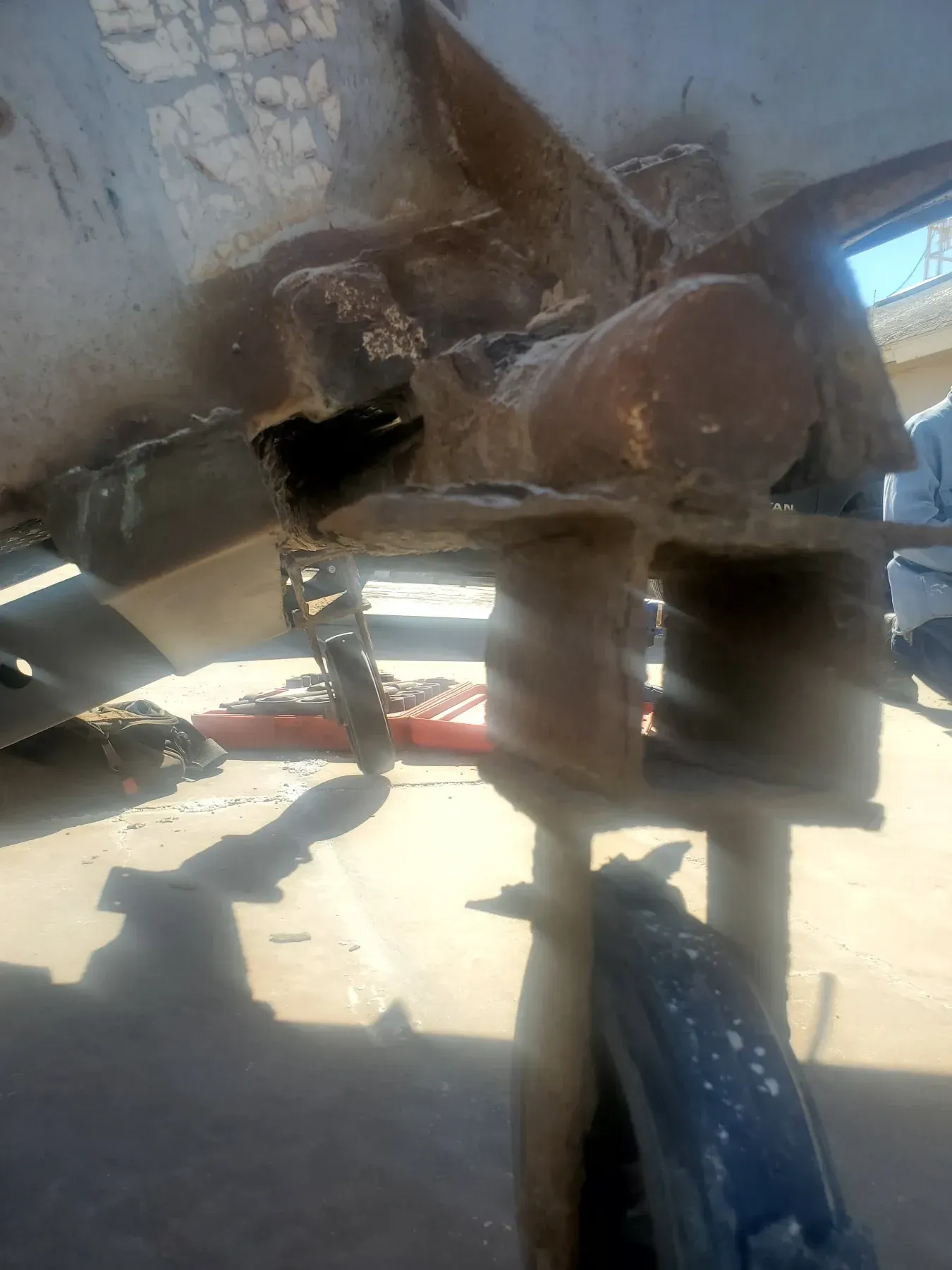
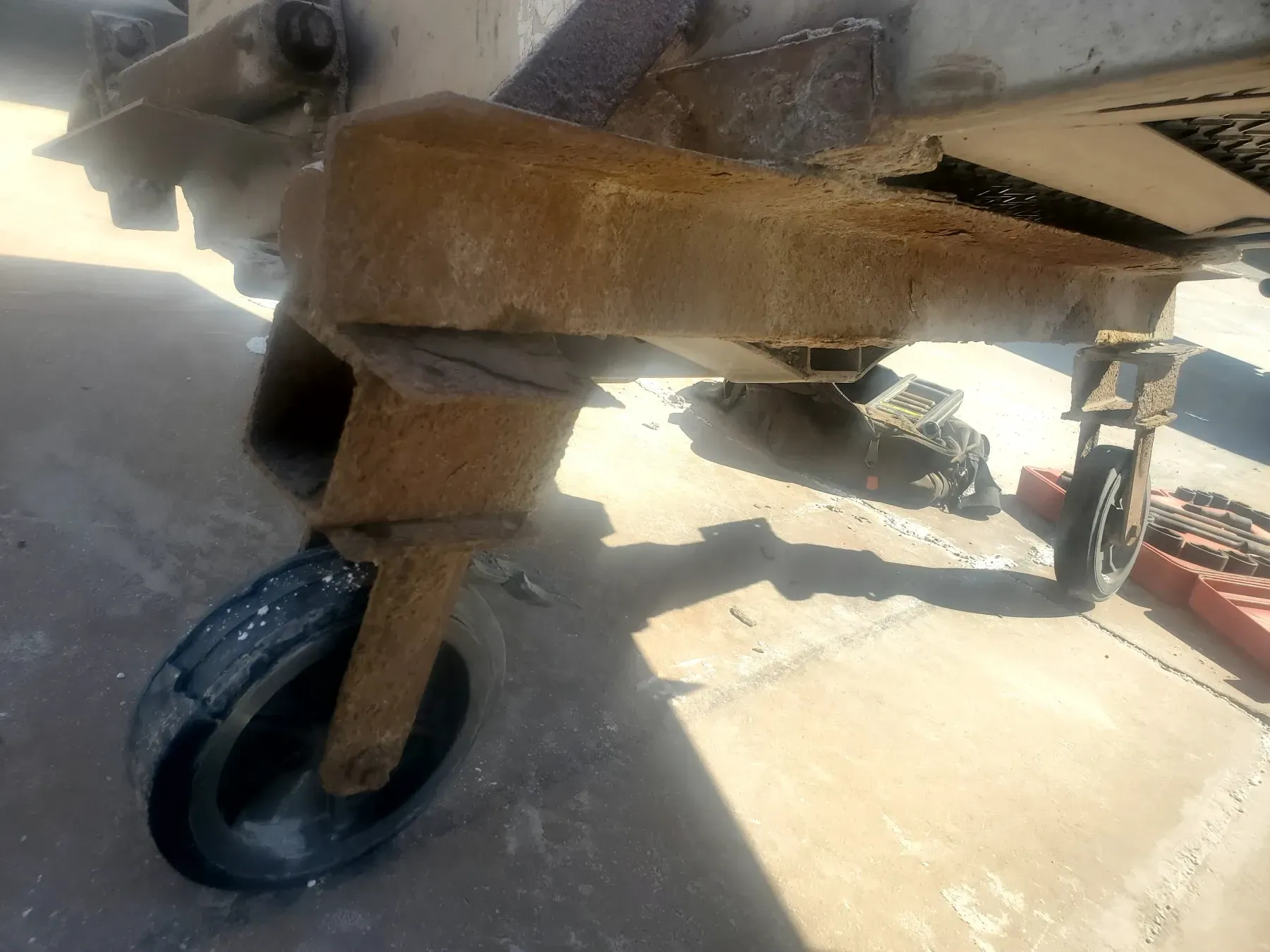
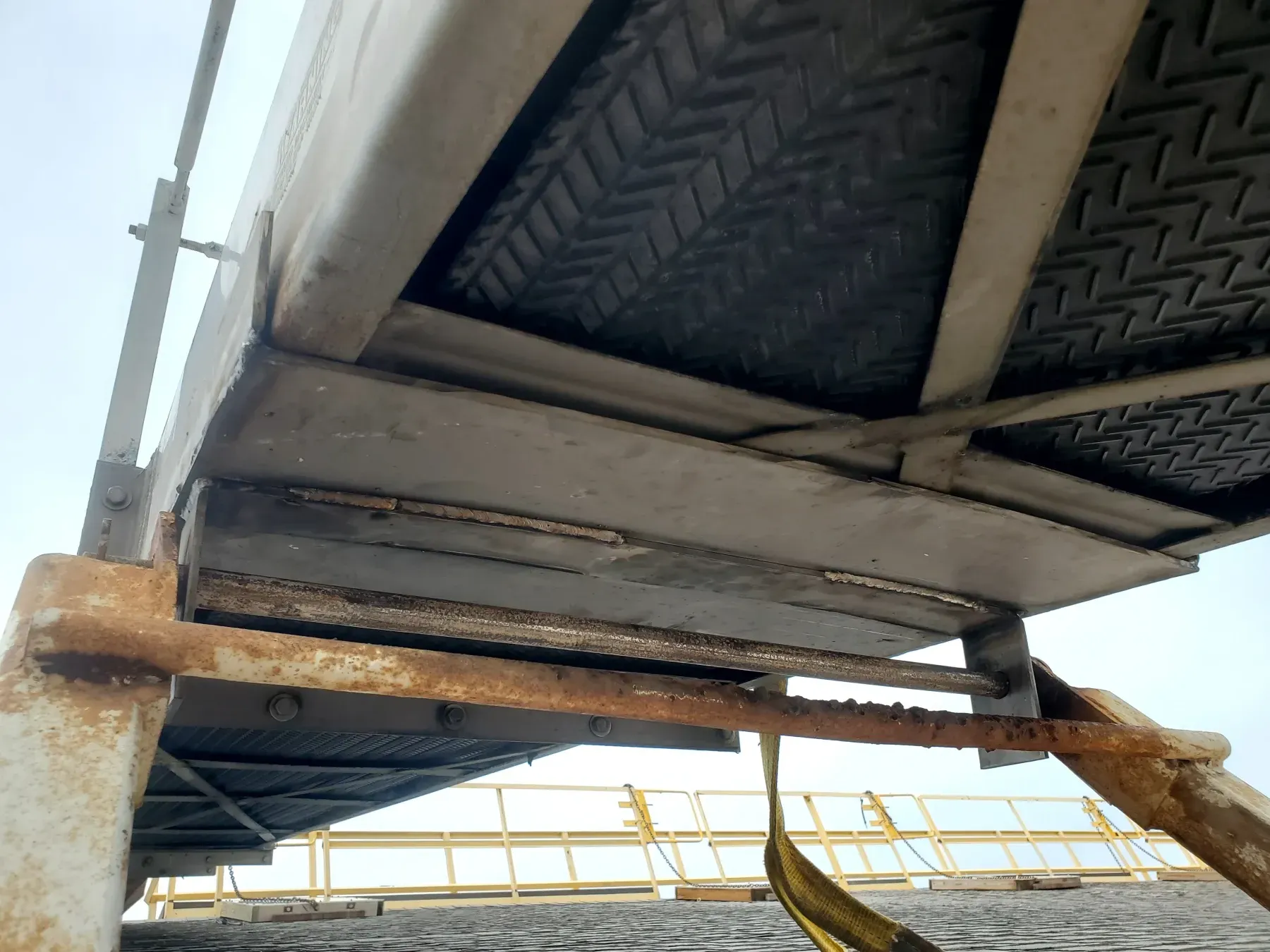
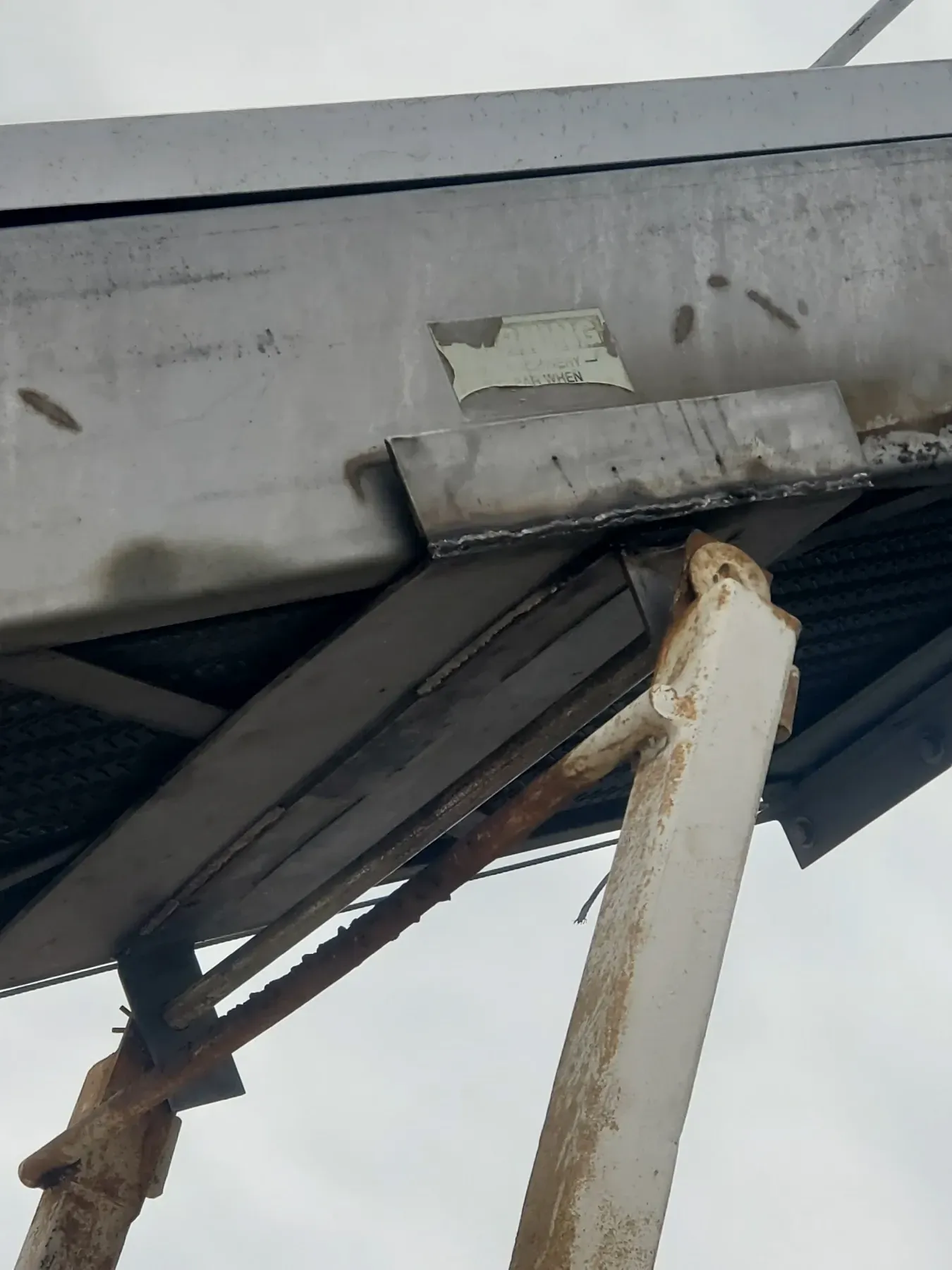
Preventative Maintenance & Repair
Reduce downtime. Keep operations moving.
Preventative Maintenance & Repair
Comprehensive preventative maintenance and repair services to minimize downtime and protect your critical agricultural assets year-round.

Scheduled maintenance programs
Emergency repair response
Structural assessments
Equipment servicing
Seasonal readiness inspections
FAQ's
What is preventative maintenance, and why is it important for agricultural buildings?
Preventative maintenance involves proactive measures taken to prevent equipment failure, structural deterioration, and other issues before they occur. In agricultural buildings, it helps ensure the reliability, safety, and longevity of infrastructure critical for support of the agricultural industry.
What are the benefits of implementing preventative maintenance in agricultural buildings?
Preventative maintenance offers several benefits, including:
- Reducing the risk of unexpected breakdowns and downtime, which can disrupt operations and lead to costly repairs.
- Extending the lifespan of equipment, machinery, and building systems, thereby maximizing return on investment.
- Enhancing safety for workers and livestock by identifying and addressing potential hazards.
- Improving operational efficiency by ensuring equipment operates at peak performance levels.
- Complying with regulatory requirements and industry standards for safety and environmental protection.
How often should preventative maintenance be performed on agricultural buildings?
The frequency of preventative maintenance depends on factors such as the type of equipment, usage patterns, environmental conditions, and manufacturer recommendations. Generally, preventative maintenance tasks should be scheduled regularly, ranging from monthly to annually, with more frequent inspections for critical systems or equipment.
How can I develop a preventative maintenance plan for my agricultural building?
Developing a preventative maintenance plan involves:
- Assessing the current condition and performance of equipment and systems.
- Identifying potential failure points, safety hazards, and areas for improvement.
- Establishing a schedule for routine inspections, maintenance tasks, and repairs.
- Assigning responsibilities to staff or contractors for performing maintenance activities.
- Documenting maintenance procedures, records, and observations for future reference.
- Reviewing and updating the maintenance plan regularly to reflect changes in equipment, operations, or regulations.
How can I prioritize preventative maintenance tasks for my agricultural building?
Prioritization may be based on factors such as:
- Criticality of equipment or systems to farming operations.
- Potential impact of failure on safety, productivity, or environmental compliance.
- Manufacturer recommendations for maintenance intervals and procedures.
- Budget constraints and resource availability for performing maintenance tasks.
- Historical data on equipment performance, reliability, and failure rates.
What are the consequences of neglecting preventative maintenance in agricultural buildings?
Neglecting preventative maintenance can lead to:
- Increased risk of equipment failure, breakdowns, and downtime.
- Higher repair and replacement costs due to deferred maintenance and neglected issues.
- Reduced operational efficiency and productivity due to unreliable equipment performance
- Safety hazards for workers due to neglected safety systems and structural deficiencies.
- Non-compliance with regulatory requirements and standards, resulting in potential fines or penalties.
How can I track and monitor preventative maintenance activities for my agricultural building?
You can track and monitor preventative maintenance activities through:
- Maintenance logs and records documenting tasks performed, dates, and observations.
- Computerized maintenance management systems (CMMS) for scheduling, tracking, and analyzing maintenance activities.
- Inspection checklists and reports for documenting findings, deficiencies, and recommendations.
- Regular reviews and audits of maintenance records to identify trends, patterns, and areas for improvement.
Need a Custom Solution?
Every ag operation is unique. Let's talk about what you need built.